fbpx
Bulk Material Handling Solutions for the U.S., Canada and Latin America
Ask the Experts for Application Assistance
Bulk Material Handling Solutions for the U.S., Canada and Latin America
Ask the Experts for Application Assistance

Testing

iStock_000013844199_MediumIndustrial Vibration for Shock & Vibration Testing Applications

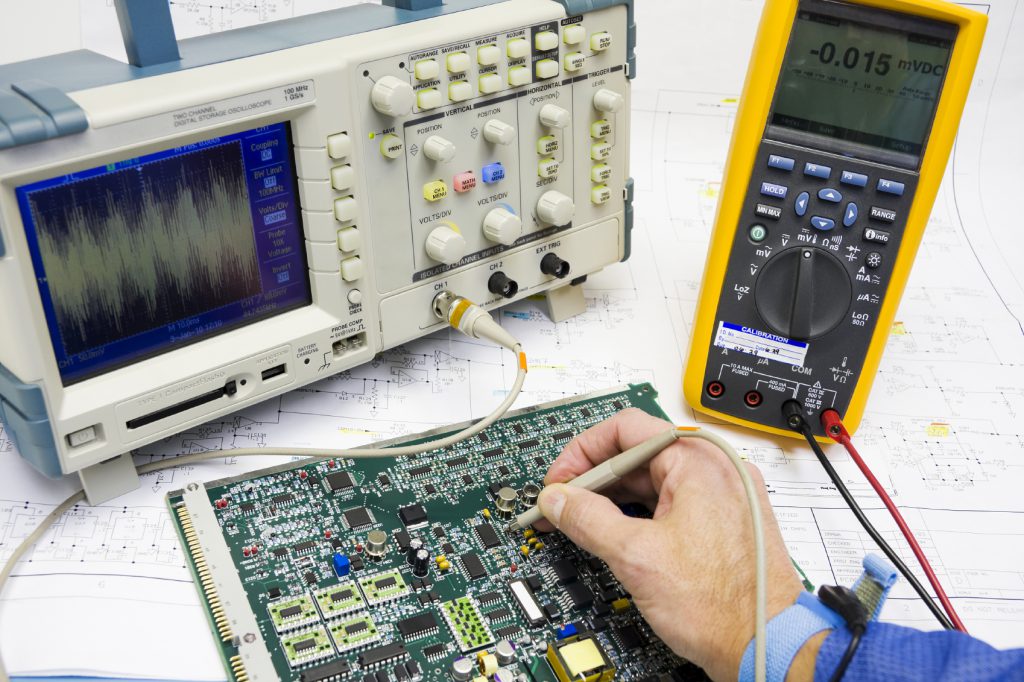
Before a product reaches the customer, it needs to survive getting there. Shock and vibration testing subjects products, components, and packaging to controlled, repeatable stress conditions — simulating the vibration, impact, and handling they’ll experience in the real world. Finding failure points in the lab is far less costly than finding them in the field.

Industrial vibrators give test engineers the precise, adjustable control needed to conduct meaningful testing across a wide range of products and conditions. Frequency and amplitude are independently tunable, test duration is programmable, and the same equipment can be configured for everything from light consumer electronics to heavy automotive and industrial components.

How Vibration Testing Works

A vibration test table applies controlled mechanical vibration to the product or assembly being tested — simulating shipping, handling, operational environments, or specific stress conditions defined by the test protocol. By adjusting frequency, amplitude, and duration, engineers can replicate real-world conditions precisely, identify resonance frequencies, accelerate fatigue testing, and validate whether a product or its packaging will hold up over time.

Common Vibration Testing Applications

  • Electronic assemblies and circuit boards
  • Automotive and truck components [transmissions, gear boxes, drivetrain parts]
  • Consumer appliances [washing machines, refrigerators, etc.]
  • Packaging inserts [foam, molded pulp, and cushioning]
  • Welds, structural assemblies, and mechanical joints
  • Aerospace and defense components
  • Medical devices and equipment
  • Glass and fragile materials

Products Typically Used In This Application

Compaction Vibrating Tables

Compaction tables are used to settle, compact and consolidate material. Normally the material is in a container being prepared for shipment.

  • Custom-made and designed specific to the application
  • Available with either electric or pneumatic drives.
Learn More
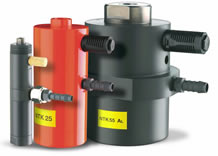
NTK® Oscillators

This oscillator provides a great motive force for compaction tables, feeders, and screens.

  • Start and stop instantly in any position
  • Also available in a mini version for small hoppers and bins
  • Available with ATEX certification
Learn More
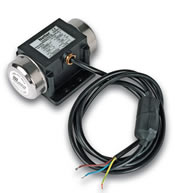
Micro™ Series Electric Vibrators

This rotary electric vibrator combines rugged industrial design with a compact size, making them ideal for continuous-duty applications in confined spaces.

  • Ideal for small feeding, screening, calibrating, separating and compacting applications
  • Compact design allows for versatile mounting options
  • Available in 4 compact sizes
Learn More
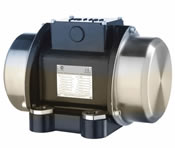
XHD™ Extra Heavy Duty Electric Vibrators

This extra heavy duty vibrator is designed to withstand the rigors of even the toughest industrial environments.

  • Guaranteed for 3 years even when operated at 100% amplitude setting in a 24/7 environment
  • Eliminates clanging of noisy, air driven piston vibrators
Learn More
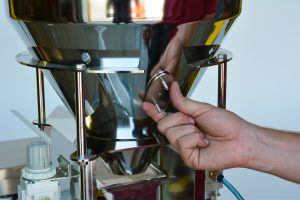
MARTIN® Stick & Shake™ Adhesive Mounting System

This is a revolutionary option for permanently mounting vibrators with no welding, bolting, or drilling.

  • Designed to work perfectly with our miniature air vibrators
  • Installs quickly and easily on virtually any surface
  • First one FREE
Learn More

Gallery

Frequently Asked Questions

  • What is the difference between shock testing and vibration testing?

    Vibration testing subjects a product to continuous, repeating mechanical oscillation — simulating conditions like road vibration, operational equipment movement, or shipping by truck or rail. Shock testing applies a sudden, high-force impact to simulate drops, impacts, or abrupt handling events. Both are important parts of a complete product durability validation program, and industrial vibration equipment can be configured for both types of testing.

  • Can the same vibration test equipment handle both small electronics and large industrial components?

    Yes, within the right equipment configuration. Frequency and amplitude are independently adjustable, so test parameters can be tuned across a wide range. Smaller, lighter products typically require higher frequency and lower amplitude, while heavier assemblies like transmissions or appliances need lower frequency and higher force. Our application engineers can help match the right equipment to your test requirements.

  • Why is packaging insert testing important?

    Packaging inserts — foam, molded pulp, and similar cushioning materials — are designed to absorb impact and protect products in transit. If they’re undertested, products arrive damaged. If they’re over-engineered, packaging costs are unnecessarily high. Vibration testing validates that packaging performs as designed before it goes into production, protecting both the product and the bottom line.

  • How is vibration testing used for appliances like washing machines and refrigerators?

    Appliances face vibration at two stages. Before they reach the customer, they’re shaken during shipping, so manufacturers use vibration test tables to simulate truck and rail transport and confirm that the product and its packaging survive the trip. Once installed, they generate their own vibration: a washing machine’s spinning drum or a refrigerator’s compressor puts constant stress on welds, fasteners, wiring, and mounts. Testing at controlled frequencies and amplitudes lets engineers find loose components, resonance problems, and fatigue failures before the product goes into production.


Why MARTIN®?

MARTIN® Vibration Systems offers a wide range of vibration equipment for testing applications — from compact electric vibrators for small assemblies to heavy-duty tables for large industrial components. Our application engineers can help configure the right frequency range, amplitude, and mounting setup for your specific test protocols. Call or contact our Application Engineers to discuss your testing application.